Blocked Stormwater in Beecroft
1000+ five-star reviews
Stormwater and sewer drains do completely different jobs, and mixing them up costs time when a storm hits.
Stormwater carries rainwater only, from your roof, paving and yard, out to the street system.
When it backs up, water pools where it shouldn't and keeps pooling until the line's actually clear.

- Lic #275278C
- Fully Insured ($20M)
- $0 Call-Out
- Lifetime Labour Warranty
- On-Site in 30 Minutes Guaranteed
- 1000+ Five-Star Reviews
- 11+ Years Family Business
- 35+ Years Combined Experience
- Trusted by 15,000 Sydney Families
- Lic #275278C
- Fully Insured ($20M)
- $0 Call-Out
- Lifetime Labour Warranty
- On-Site in 30 Minutes Guaranteed
- 1000+ Five-Star Reviews
- 11+ Years Family Business
- 35+ Years Combined Experience
- Trusted by 15,000 Sydney Families
30 Minutes. Guaranteed.
On-site in 30 minutes guaranteed, because standing water doesn't wait for a convenient time.
$20 Million Public Liability
Fully insured to $20 million, so the work on your property is properly covered.
Award-Winning Team
Best & Brightest winner across multiple years, judged by the trade, not just claimed.
35+ Years on the Tools
35+ years of combined experience clearing Sydney's drains, storm season and all.
Blocked Stormwater: What We Actually Do
Stormwater work covers everything carrying rain off your property, not the wastewater side of the house.
That includes:
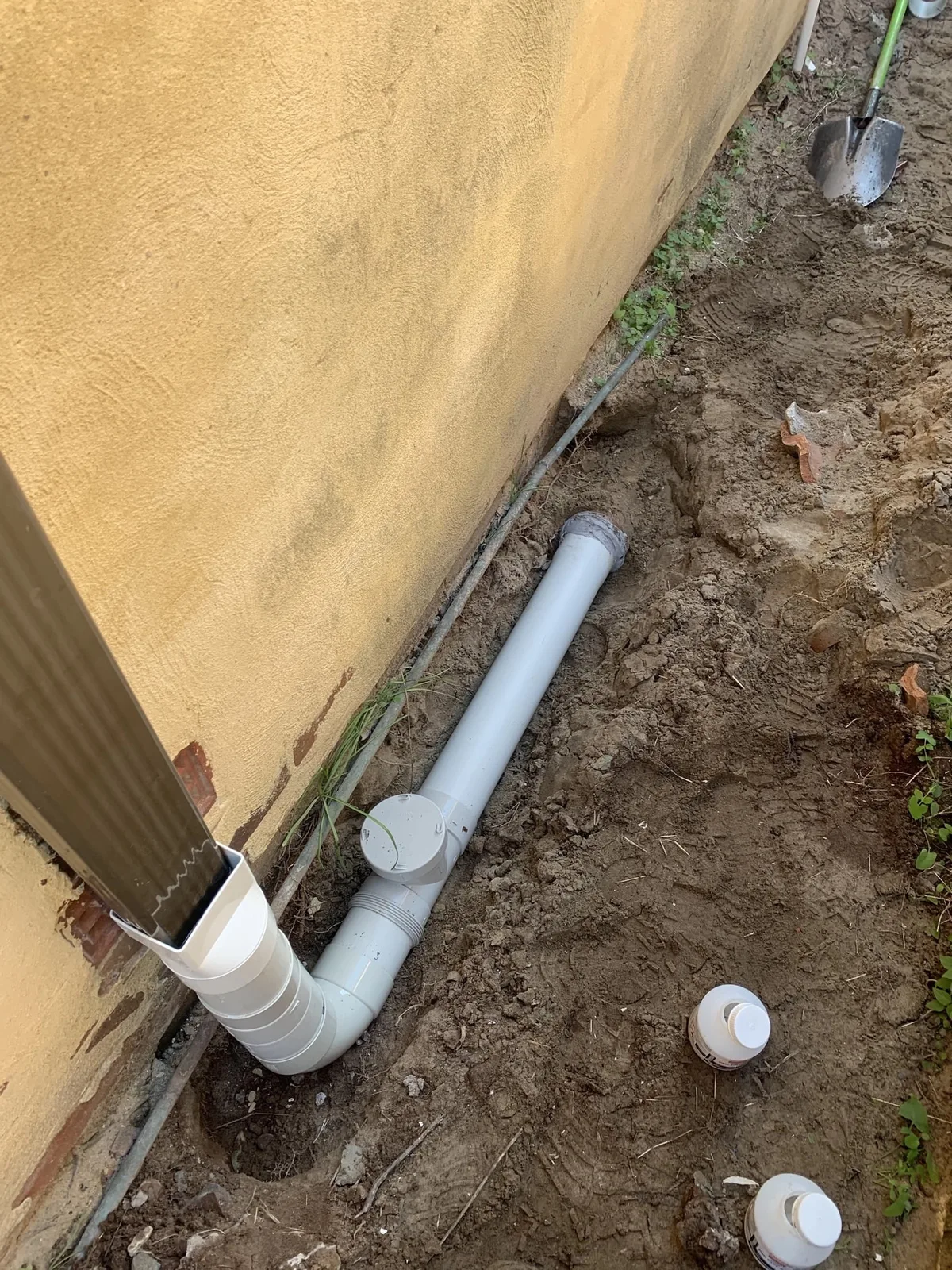
- Downpipes and roof drainage discharging into the stormwater line rather than the ground
- Gully and pit clearing, the grated points where surface water enters the system
- Agricultural drain (ag line) clearing, the perforated pipe collecting groundwater around foundations
- Overland flow paths, tracking where water actually runs when the underground system is overwhelmed
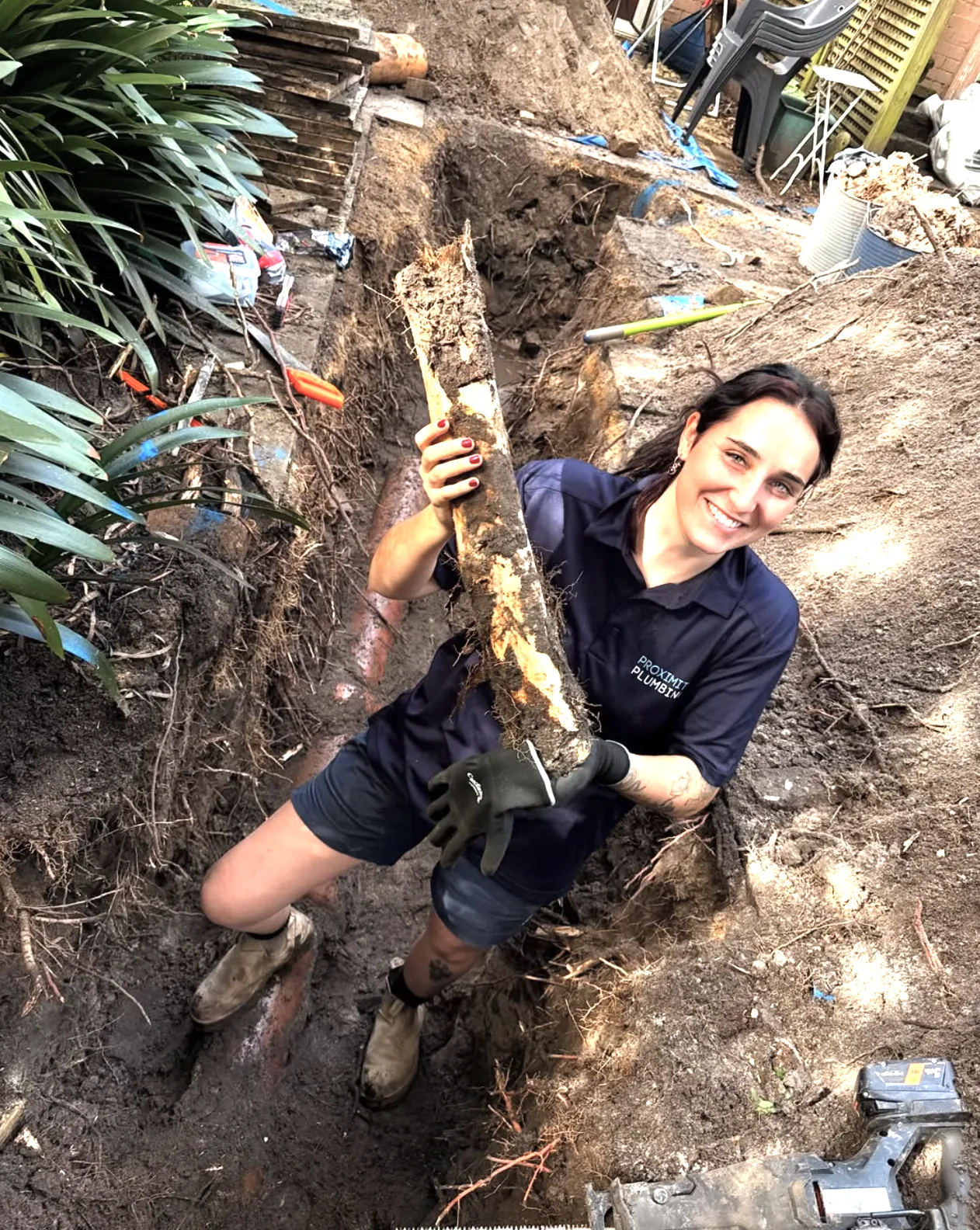
- Root and silt removal from stormwater pipes specifically, kept separate from any sewer work
A blocked box gutter feeding a downpipe is a roofing matter, though we'll always tell you plainly if that's what we're looking at rather than a drain issue.
How to Tell You Need Blocked Stormwater
Rain shows up problems that stay hidden through every dry spell.
Look for:
- Standing water on paving or lawn well after rain has stopped
- A gully or pit gurgling, overflowing, or simply refusing to swallow water
- A downpipe discharging onto the ground instead of into its line
- Silt or leaf litter visibly banked up at a grate
- Water tracking toward the house rather than away from it
- A musty smell rising from a pit that never fully drains
What Affects the Cost of Blocked Stormwater
A stormwater quote moves on a few genuine factors, never a flat number pulled from nowhere.
What actually changes the price:
- How far the blockage sits from the nearest access pit
- Roots versus silt and leaf debris versus a collapsed section
- Whether one gully's affected or the whole run needs attention
- Depth and the property's slope, since gravity lines run differently on a grade
- Whether ag-line work near foundations adds extra care to the job
$0 call-out fee always, a free on-site quote, and the price we quote is the price you pay.

Why Beecroft Properties Call For This
The ridge Beecroft sits on falls away toward Devlins Creek, and that grade shapes how every stormwater line on the block behaves.
Sloping runs collect debris at low points, so pits at the bottom of a grade do more work than ones near the top.
Welham Street tracks one of those falling grades, where we regularly clear pits that catch more than their fair share of what washes down from higher blocks after rain.
The same fall that gives the suburb its leafy, elevated character means gravity does half the work of blocking a drain for us, carrying silt and leaf litter downhill until something gives.
What Beecroft's Storm Season Does to These Drains
Sydney's warm, humid summer brings the heaviest downpours, and that's when a marginal stormwater line finally fails.
Summer storms surcharging the Devlins Creek corridor push more water through these lines than they see the rest of the year.
A pit that's been slowly silting up since last season suddenly can't keep pace once real rain arrives.
Clearing gullies before storm season, rather than after the first flood, is the cheaper problem to have.
What NSW Requires for Blocked Stormwater
Private stormwater drainage on your property is your responsibility to maintain, same as any other private line.
Council owns the street-side pits and pipes once water leaves your boundary.
Clearing or repairing a private stormwater line still needs a licensed plumber under NSW law, particularly where the work ties into the council system.
Hornsby Shire Council sets local drainage requirements for anything altering how stormwater leaves a block, which matters if a fix involves more than just clearing what's already there.
On a sloped block like much of Beecroft, that can mean confirming an ag line still discharges to the correct point rather than simply running clearer for a few months before silting up again.
Our Blocked Stormwater Process, Start to Finish
- Locate every pit and gully affected, tracing where the water's actually meant to go.
- Camera or rod the line to find roots, silt or a genuine collapse.
- Clear and confirm, checking flow before we call the job done.
- Advise on prevention, especially where leaf litter is the repeat cause.
Most single-gully blockages clear within the hour.
A root-choked ag line further along the run can take longer, and we'll always say so before starting.
What You Get When We Do Your Blocked Stormwater
Storms don't wait for business hours, and neither do we, with a guaranteed 30-minute arrival backing every call.
Cover to $20 million means the work is properly protected, not just promised.
Being recognised with multiple Best & Brightest awards over the years isn't a marketing line, it's judged by the trade against real workmanship.
Every clear comes with the same lifetime labour warranty as any other job we do.
Servicing Nearby Homes Too
Beecroft keeps us busy with stormwater work, and Pennant Hills, Epping and Normanhurst all fall within the same coverage.
The Hornsby ridge's falling grade shapes drainage right through this pocket of Sydney, not just on one street.
If it's actually a sewer backing up rather than rainwater pooling, our blocked sewer page covers that properly, and a CCTV drain inspection confirms exactly where a stormwater line has failed if you want the diagnosis first.
What Usually Gets Booked With This
A stormwater clear often turns up more than one weak point on an older block.
Where roots have found their way into the line, we'll flag whether a full blocked drain repair is the better long-term answer than repeat clearing.
If you'd rather see the problem before booking any work, a standalone CCTV drain inspection maps the whole run first.
Call Now and Get It Flowing
Pooling water and overflowing gullies only get worse with more rain on the way.
Call (02) 9072 0545 now, and ask about the 10% seniors discount.
Common questions
Beecroft Blocked Stormwater FAQs
How long does blocked stormwater take?
A single blocked gully or pit is usually sorted within the hour once we're on-site. A longer ag-line run choked with roots or silt can take a bit more time to clear properly.
What warranty comes with blocked stormwater?
Every stormwater job carries our lifetime labour warranty. If it's not right, we come back, no questions asked and no cost to you.
Can you prove the stormwater line is actually clear?
Yes. A camera run through the line after clearing shows you exactly what we found and confirms water's moving freely again.
Should I attempt to clear it before calling anyone?
Clearing leaves and silt off a surface grate is fine to do yourself. Once water's pooling and a rod or hose won't shift it, that usually means roots or a collapse further down, and that's our job.
What should I have ready before you show up?
Show us where water's pooling or where the nearest pit or gully sits if you can. Keeping pets away from the work area helps everything move faster too.
What are the signs I need blocked stormwater?
Water pooling on paving or lawn after rain, gullies that gurgle or overflow, and downpipes discharging onto the ground rather than into the line are the main ones.